Source Walking Sneaker for Running, Travel, and Daily Use
Compare 30 walking sneaker options from verified suppliers in China. Buyers can evaluate materials like EVA and rubber, customization features, and MOQs ranging from 1 to 5000 pairs for various seasonal needs; compare the available evidence and request quotations based on your requirements.
Key considerations
Products List


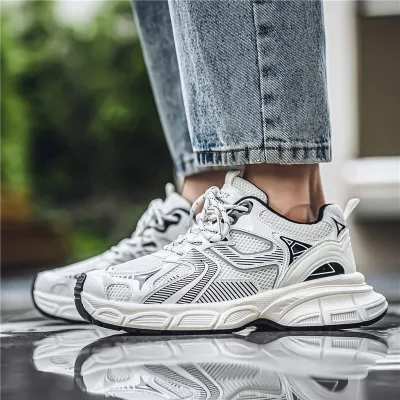


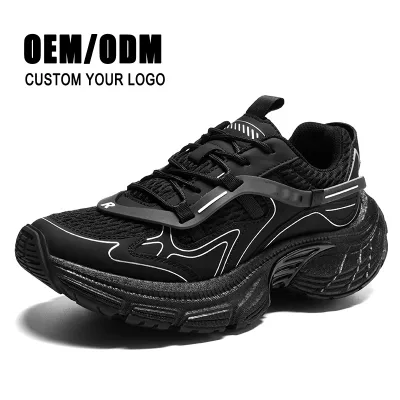
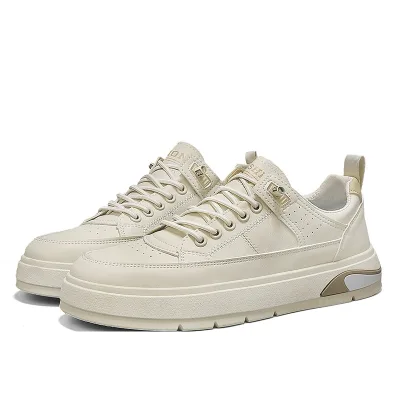
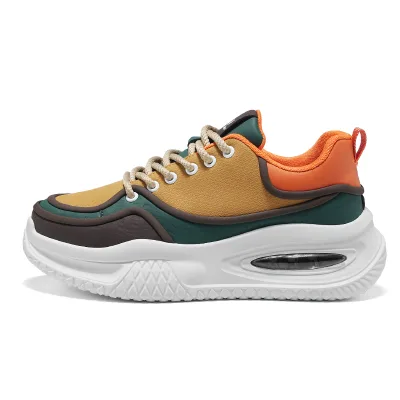


Comprehensive Sourcing Guide
Walking Sneaker Sourcing Guide
Product Scope and Observed Listing Signals
The walking sneaker category encompasses a diverse range of footwear designed for comfort, durability, and everyday mobility, with market listings indicating a broad spectrum of styles from casual runners to specialized sports models. Buyers should note that observed product attributes reveal significant variation in target demographics, with specific listings explicitly identifying gender-specific designs for both male and female consumers, ensuring that procurement strategies can be tailored to distinct audience preferences. This segmentation is critical for inventory planning, as it allows for targeted marketing and reduces the risk of holding stock that does not align with the end-user’s anatomical or stylistic needs.
Furthermore, the observed material compositions highlight a strong emphasis on breathability and lightweight construction, with common linings including mesh, PU, and cotton fabric to enhance wearer comfort during extended use. The outsoles are predominantly crafted from rubber or PVC, offering varying degrees of traction and wear resistance suitable for urban environments. These material choices suggest that modern walking sneakers prioritize functional performance alongside aesthetic appeal, often incorporating features such as non-slip properties and fashion-forward designs to meet the dual demands of practicality and style in contemporary consumer markets.
Technical Specifications to Verify
When evaluating technical specifications, buyers must prioritize the verification of sole composition and heel height, as these factors directly influence comfort and stability during walking activities. Observed data indicates a prevalence of mid-heel designs paired with EVA insoles, which provide essential cushioning and shock absorption for daily wear. It is imperative to confirm whether the outsole material is rubber or PVC, as this distinction affects durability and slip resistance; rubber generally offers superior grip and longevity, while PVC may present cost advantages but potentially reduced performance in wet conditions.
Additionally, size range consistency and packaging standards require rigorous attention to detail to prevent logistical errors and customer dissatisfaction. Listings show size ranges extending from 36 to 46, covering a broad spectrum of adult foot sizes, but buyers should verify if specific models adhere to regional sizing conventions to avoid fit issues. Packaging specifications also vary, with some products using inner boxes and others utilizing polybags, which impacts retail presentation and protection during transit. Confirming these details ensures that the final product meets both functional expectations and retail readiness requirements.
Compliance and Safety Documentation
Compliance and safety documentation form the backbone of responsible sourcing, requiring buyers to ensure that all walking sneakers meet relevant chemical and physical safety standards for the target markets. While specific certification statuses are not universally disclosed in general listings, buyers must verify adherence to international regulations regarding harmful substances, such as REACH in Europe or CPSIA in the United States, to ensure the materials used in linings and outsoles are safe for prolonged skin contact. This due diligence is particularly important given the variety of materials observed, including leather, fabric, and synthetic blends, each of which may have different regulatory implications.
Moreover, buyers should request detailed test reports for key performance indicators such as slip resistance, sole adhesion, and colorfastness, especially for products marketed with specific functional claims like non-slip properties. These tests validate the manufacturer’s ability to deliver consistent quality and safety, reducing the risk of product recalls or liability issues. Establishing clear compliance requirements in the initial sourcing phase helps mitigate legal risks and builds consumer trust, ensuring that the walking sneakers not only look good but also perform safely under real-world conditions.
Cost Drivers and Commercial Terms
Cost drivers in the walking sneaker market are heavily influenced by material selection, customization options, and order volume, with observed price ranges reflecting these variables. Buyers should anticipate that products featuring premium materials like genuine leather or advanced mesh linings may command higher prices compared to those using standard fabric or synthetic alternatives. Additionally, the availability of customization services, such as OEM logo printing or embroidery, introduces additional costs that must be factored into the total landed cost calculation, as these services require specialized production processes and setup fees.
Commercial terms also play a significant role in overall procurement costs, with observed minimum order quantities (MOQs) ranging from 1,000 to 5,000 pairs, impacting cash flow and inventory management strategies. Payment terms typically include L/C or T/T options, which offer flexibility but require careful financial planning to manage liquidity. Buyers should negotiate lead times, which can extend from 45 to 60 days, to align production schedules with market demand, avoiding stockouts or excess inventory that could erode profit margins through storage costs or markdowns.
Supplier Qualification and Quality Control
Supplier qualification is a critical step in ensuring the reliability and consistency of walking sneaker supplies, requiring buyers to assess manufacturers based on their production capabilities and quality control systems. Buyers should verify the supplier’s origin, with many listings indicating production in regions like Jinjiang or Guangdong, China, known for their footwear manufacturing expertise. Evaluating the supplier’s ability to handle OEM requests and provide samples within specified timeframes, such as 15-21 days, helps gauge their responsiveness and operational efficiency, which are vital for maintaining agile supply chains.
Quality control measures must be rigorously enforced throughout the production process, from material inspection to final packaging. Buyers should implement pre-shipment inspections to check for defects in stitching, sole attachment, and overall aesthetics, ensuring that the products meet the agreed-upon specifications. Establishing clear quality benchmarks and conducting regular audits of the supplier’s facilities can help identify potential issues early, reducing the risk of receiving substandard goods and ensuring that the walking sneakers delivered are consistent in quality and performance.
Long-Term Procurement Checks
Long-term procurement checks involve continuous monitoring of supplier performance and market trends to ensure sustained value and reliability in the walking sneaker supply chain. Buyers should regularly review supplier delivery times, defect rates, and communication responsiveness to identify any declines in service quality that could impact business operations. Establishing key performance indicators (KPIs) for these metrics allows for objective evaluation and provides a basis for constructive feedback or corrective actions, fostering a collaborative relationship that benefits both parties.
Additionally, staying informed about evolving consumer preferences and regulatory changes is essential for maintaining a competitive edge in the walking sneaker market. Buyers should periodically reassess product designs and material choices to align with emerging trends, such as increased demand for sustainable materials or enhanced comfort features. By maintaining a proactive approach to market analysis and supplier management, buyers can mitigate risks, optimize costs, and ensure that their walking sneaker offerings remain relevant and appealing to end consumers over time.
FAQs
How long does sampling take before bulk production of walking sneakers?
Sampling typically takes 15 to 21 days depending on the model and customization level. Some listings show faster 5 to 10 day sample turnaround for simpler designs. After sample approval, bulk delivery generally runs 45 to 60 days. Plan your launch schedule with both stages combined, since customization requests such as printed or embroidered logos can extend the sample stage.
What materials are commonly used in these walking sneakers?
The listed sneakers use fabric or leather uppers, rubber or PVC outsoles, EVA insoles, and mesh, PU, or cotton fabric linings. These combinations aim for light weight, breathability, and non-slip performance. Note that the products are not waterproof, so buyers needing water resistance should confirm material alternatives directly with suppliers before ordering samples.
Which sizes and gender fits are available across the walking sneaker models?
Available size runs include 36 to 41 for men and 41 to 46 for men's sports styles, while other models target female buyers. Because sizing varies by model, confirm the exact size range and last shape for the specific model number you intend to order. Sample pairs are the safest way to verify fit before committing to bulk quantities.
Can I customize the logo and packaging on walking sneaker orders?
Yes, customization is available, and OEM orders are accepted. Logos can be printed, embroidered, or applied per your OEM specifications. Packing options include inner boxes, polybags, or standard cartons, with some models packed one pair per box and twelve pairs per carton. Provide your artwork early so the sample stage reflects your branding before bulk production begins.
What is the minimum order quantity for walking sneakers?
Minimum order quantities in the listed range start at 500 pairs and go up to 1000 or 1200 pairs depending on the model. MOQ often depends on customization complexity and materials. If your order falls below a listed MOQ, ask about available options before assuming the listing figure applies, since different models carry different requirements.
How are walking sneakers packed and what are the carton dimensions?
Packing is typically one pair per inner box with twelve pairs per carton, and some models offer box or polybag packing. Listed carton standards include 30 by 16 by 12 centimeters and 32 by 25 by 12 centimeters, with one batch package size of 33 by 22 by 15 centimeters and gross weight around 2 kilograms. Confirm final carton specs with your supplier.
Which payment terms do walking sneaker suppliers accept?
Listed suppliers accept L/C or T/T payment terms. T/T commonly involves a deposit before production with the balance before shipment, while L/C suits larger orders needing bank assurance. Confirm the exact deposit percentage and balance timing during negotiation, and agree terms in writing alongside your sample approval and delivery schedule to avoid later disputes.
Where are these walking sneakers produced and what functions do they offer?
Production origins listed include Jinjiang and Guangdong in mainland China, both established footwear manufacturing regions. The sneakers are marketed with fashion trend appeal, light weight, breathability, non-slip grip, and lightweight construction, and suit all four seasons. Since these are product attributes rather than verified performance claims, request samples to evaluate comfort and durability for your market.